Libraries are no strangers to doing more with less. Tight budgets, aging equipment, and rising expectations are part of the job—especially in technology. But sometimes the most valuable improvements don’t come from new purchases. They come from rethinking what we already have.
Recently, I’ve been spending time experimenting with repurposed hardware and small-scale infrastructure projects outside the library. While the tools themselves may sound technical, the lessons behind them translate surprisingly well to library operations.
This post isn’t about turning libraries into data centers, but thinking more intentionally about infrastructure—even on a small scale.
Why Infrastructure Thinking Matters in Libraries
When we talk about “infrastructure,” it often sounds abstract or intimidating. But in practice, libraries already manage infrastructure every day:
- Public computers
- Staff workstations
- Printers and copiers
- Wi-Fi access points
- Servers (local or cloud-based)
- Digital signage
- Makerspace equipment
- Backup systems
- Cloud services
All of these systems need to be:
- Reliable
- Maintainable
- Understandable by staff
- Sustainable over time
Infrastructure thinking simply means asking, “How do these systems work together, and how can we make them easier to manage?”
The Value of Repurposed Hardware in Libraries
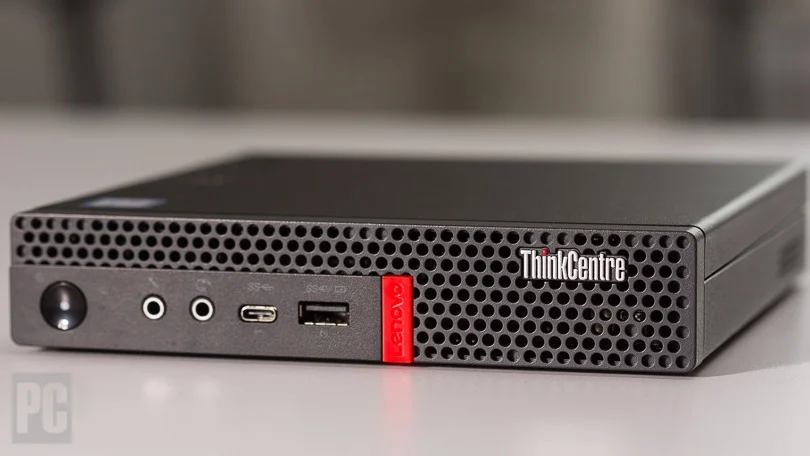
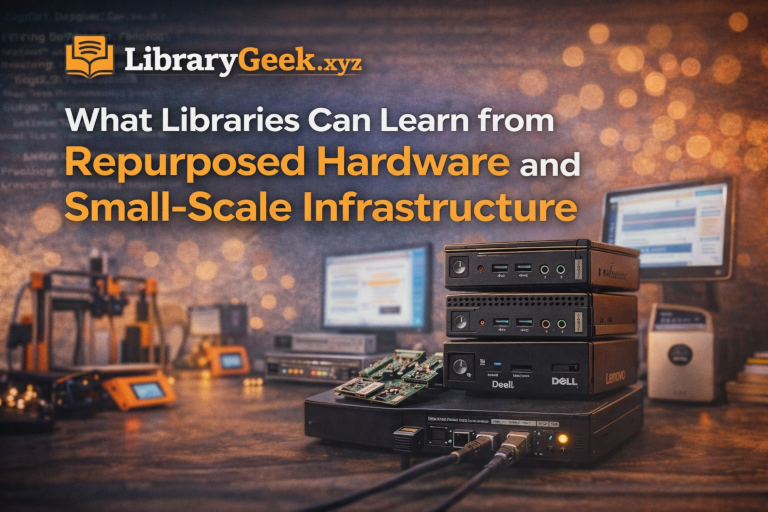
Many libraries have closets (or storage rooms) filled with equipment that’s no longer suitable for frontline use but still perfectly functional, such as older desktop PCs that no longer meet OS requirements (aka Windows 11) and retired monitors or peripherals.
Rather than viewing these as e-waste, libraries can treat them as experimentation tools.
Potential library uses include
- Digital signage displays
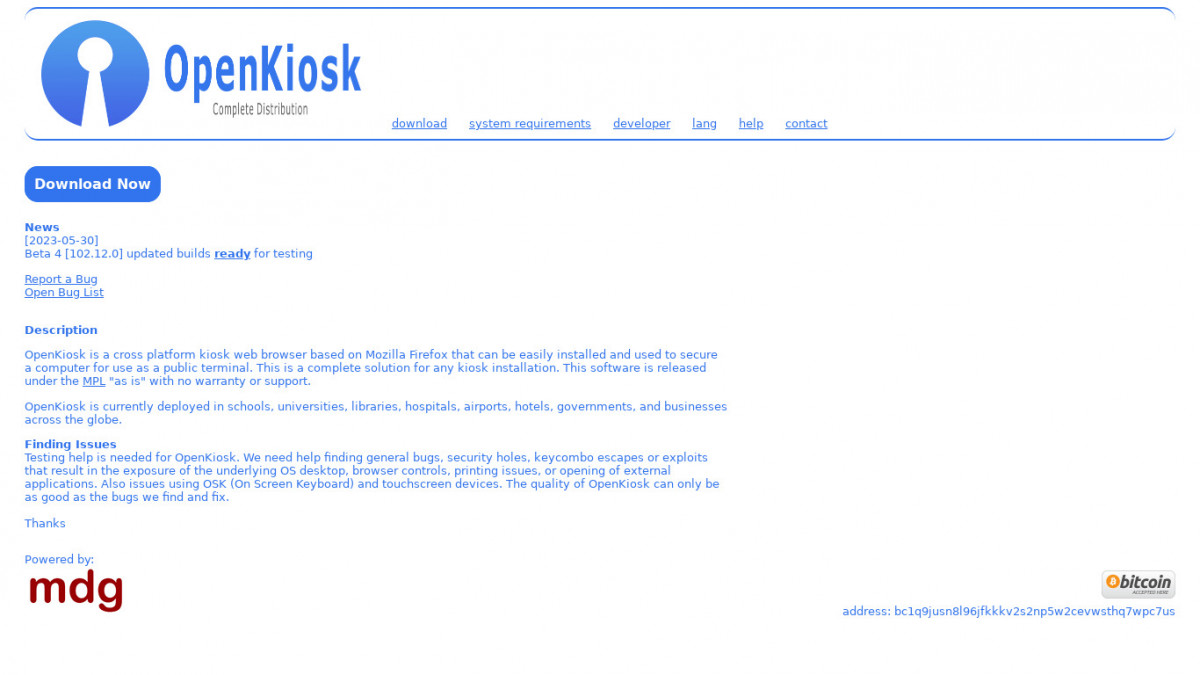
- OPAC kiosks
- Staff training machines
- Makerspace controllers
- Test systems for new software
- Internal documentation stations
- Backup or redundancy machines
Because the hardware is already written off, it removes fear from experimentation.
Small-Scale Infrastructure Is Still Infrastructure
Libraries don’t need enterprise solutions to benefit from infrastructure awareness.
Even modest setups — such as:
- One small server
- A repurposed PC
- A dedicated machine for a single task
— can teach important insights into:
- Reliability
- Maintenance
- Documentation
- Backup planning
- Access control
Knowing these concepts helps staff make better decisions even when services are cloud-hosted.
Learning Without Risk
One of the biggest advantages of small-scale infrastructure experiments is low risk.
Because these systems are:
- Not mission-critical
- Built with existing hardware
- Isolated from core services
Staff can:
- Learn by doing
- Break things safely
- Build confidence
- Ask better questions of vendors and IT partners.
This kind of learning strengthens future technology planning.
How This Connects to MakerSpaces and Creative Tech
Infrastructure and MakerSpaces share a similar philosophy:
- Hands-on learning
- Iteration
- Problem-solving
- Ownership of tools
Libraries that already support:
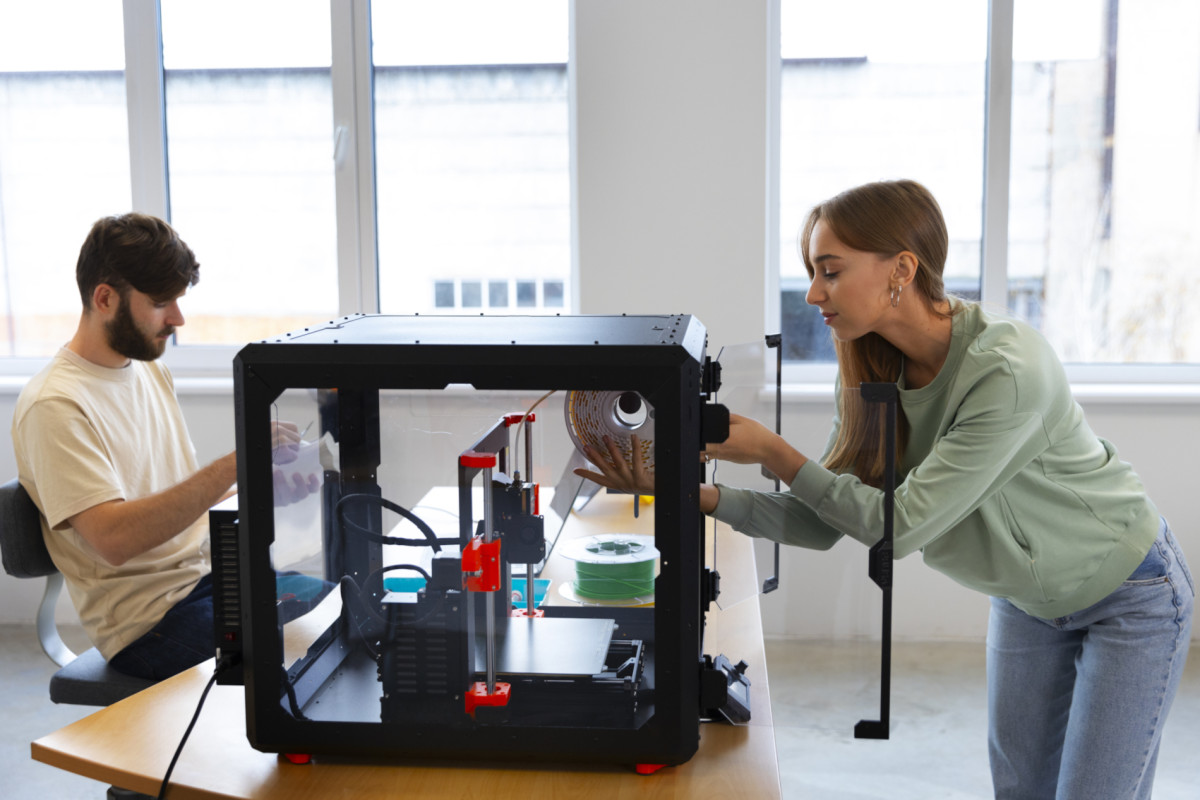
- 3D printing
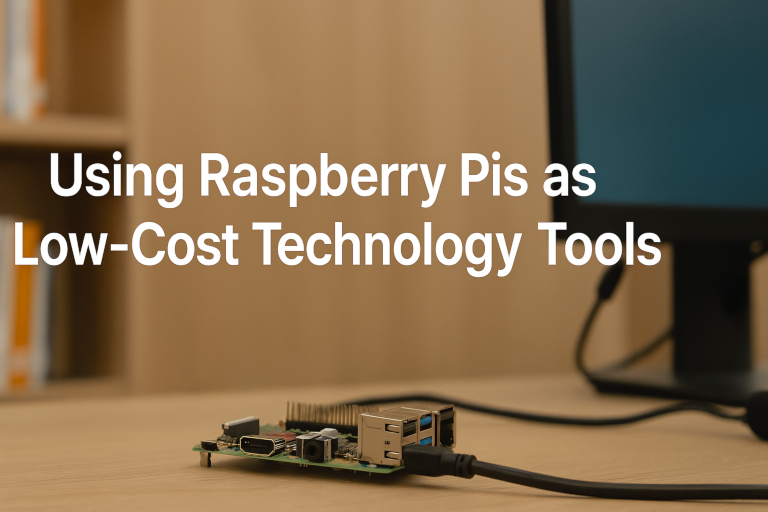
- Raspberry Pis
- Robotics
- Digital creation
are ideally placed to extend that mindset to behind-the-scenes systems. The same eagerness that drives a MakerSpace can also drive smarter internal technology decisions.
You Don’t Need to Be an IT Expert
This is the most important point.
Infrastructure awareness does not mean:
- Replacing IT professionals
- Running unsupported systems
- Ignoring security or policy
- Taking unnecessary risks
It means:
- Understanding how systems fit together
- Asking informed questions
- Recognizing opportunities to reuse and repurpose
- Engaging in careful, budget-conscious choices
Libraries thrive when staff feel confident, not overwhelmed.
Looking Ahead
In 2026, LibraryGeek.xyz will continue exploring:
- Affordable infrastructure ideas
- Repurposed technology projects
- Practical system design
- MakerSpaces beyond novelty
- Confidence-building tech knowledge for library staff
Libraries don’t need enterprise-scale solutions to think clearly about technology. They need tools, language, and examples that respect their reality. Sometimes the best innovations start with what’s already sitting on a shelf.