I know I spoke about this in an earlier post, but today I want to give a case study on how affordable technology, such as 3D printing, benefits libraries. Every library looks for creative ways to stretch tight budgets, especially during big programs like the Summer Reading Club. At the Westhampton Free Library, we found an unlikely hero in our 3D printer—one that saved us over $1,000 in a single project, improved our program experience, and opened the door to new possibilities for future events.
This is the story of how a simple idea, a spool of filament, and a little patience helped us rethink how libraries can use technology to cut costs and elevate programming.
The Problem: 1,500 Wooden Coins at $1,000+
Early in the summer planning process, our Children’s Department approached me with a financial dilemma: “We need to order 1,500 wooden reward coins for the Summer Reading Club.”
Libraries often use these coins—affectionately called Library Bucks—as part of their summer reading club’s reward and incentive system. Kids collect the tokens as they complete reading challenges and trade them in for small prizes.
The vendor our Children’s Department typically uses quoted more than $1,000 for the quantity needed. The price wasn’t surprising…but it also wasn’t ideal given our annual programming budget.
So, instead of clicking “checkout,” we asked a simple question: “Could our 3D printers do this instead?”
The Solution: A Custom 3D-Printed Coin “Library Bucks.”
Designing the Coin
One of our staff members has been learning Blender, a free and open-source 3D creation suite used for modeling, animation, rendering, and visual effects. We tasked her to design a simple round token with the library’s name around the edge, a book symbol in the center, raised edges for durability, and a thickness sturdy enough for kid use.
Test Printing
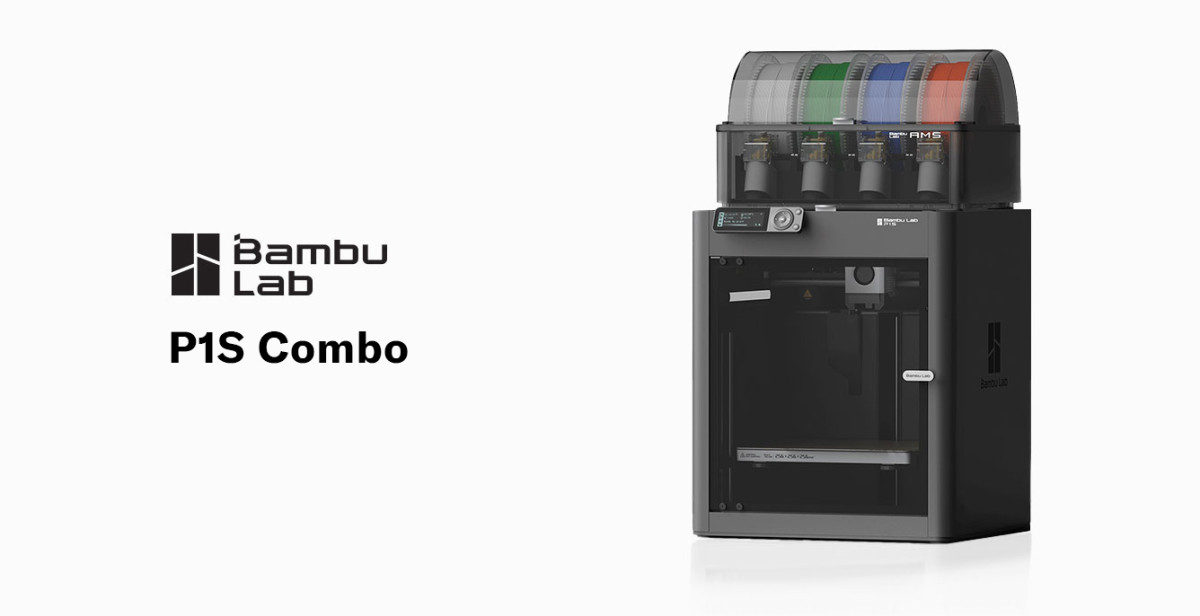
We ran prototypes on our Bambu Lab P1S using standard PLA filament. Each coin used ~1.5–2 grams of filament and took ~3 minutes to print. After a few iterations, we had a coin that was durable, polished, and easy to produce.
The Print Run: A Thousand Coins, Zero Stress
Batch Printing
Each morning, we printed a batch of 25–30 coins, another batch after lunch, and one last batch before the library closed. This made the process incredibly efficient, enabling the project to be completed in less than a month.
Performance
Our Bambu printers ran continuously with no adhesion issues, very few failures, and consistent quality.
The Final Result: A Huge Cost Savings + Better Patron Experience
💰 Total Savings: Over $1000
Estimated filament usage: ~4 kg
Estimated filament cost: $75–$100
🎨 Full Customization
We were able to:
- Add the library name
- Customize the design
- Personalize colors
- Experiment with size and thickness
🎉 Kid Appeal
Kids loved the coins, with many asking, “Did the library make these?”
🛠️ Future-Proofing
Because we own the STL file, we can easily reuse or modify the design for:
- Future SRC programs
- Teen contests
- Children’s games
- Scavenger hunts
- Makerspace events
The Unexpected Benefits
1. A Showcase of Technology
Families saw the printers running before, during, and after the Summer Reading Club, sparking questions and interest in 3D printing.
2. Cross-Department Collaboration
The project strengthened collaboration between:
- Children’s Services
- Technology Services
- Circulation
3. A Proof-of-Concept for Future Savings
Now, staff regularly brainstorm new items we could print rather than purchase.
Cost Breakdown
| Item | Vendor Cost | 3D Printing Cost |
|---|---|---|
| 1,500 wooden coins | ~$1,500 | ~$75–100 PLA |
| Shipping | $50–$100 | $0 |
| Customization | Extra fee | Free |
| Total | ~$1,500+ | ~$100 |
Total Savings: ~$1,400
Tips for Libraries Wanting To Replicate This Project
- Use a reliable, fast printer (Bambu Lab P1S or Prusa MK4S recommended)
- Keep the design simple for fast, clean printing
- Batch your prints to reduce staff oversight
- Use PLA filament for durability and ease of use
- Save your STL files for future reuse and adaptation
Final Thoughts
This project wasn’t just about saving money. It showcased how technology can reshape library operations and improve programming.
At the Westhampton Free Library, a project that once cost over $1,000 now costs about $100—and the results were better, more customizable, and more engaging for our patrons.
3D printers aren’t just for MakerSpaces; they’re powerful tools that help libraries stretch budgets, rethink supplies, and build innovative programs for the community.
And sometimes, they help you save a thousand dollars in the process.